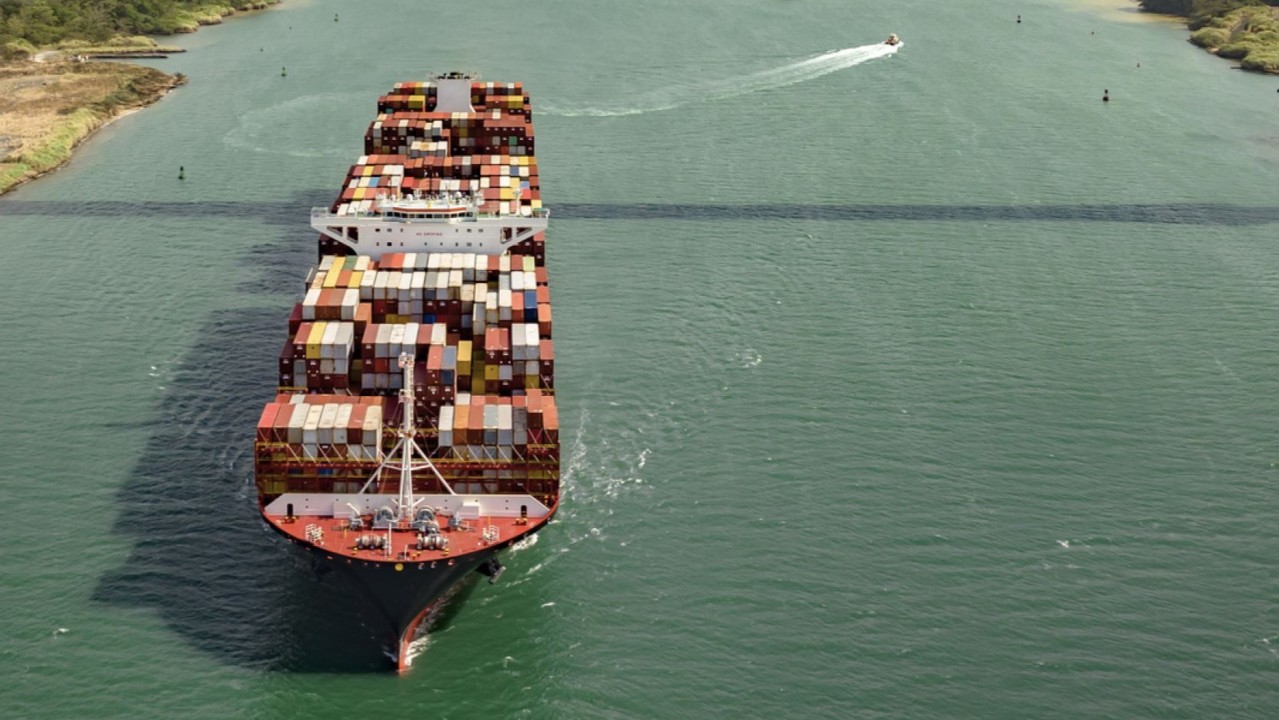
Hamza, Managing Partner at Coaldev, answers 10 key questions that maritime operations leaders frequently ask when trying to build digital systems.

1. What problems operations managers face in the maritime sector if core operations are not digitized?
The biggest issue is lack of shared operational visibility — by the time a status change is communicated, downstream teams are often already working with outdated information.
If there’s no digitization and workflow automation in place, the operations team has to rely on fragmented communication channels — emails, phone calls, and manual spreadsheets.
Also, operators have to manually chase updates across teams, vessels, and coordinators.
This creates several problems:
- Delayed decision-making because updates arrived late
- Different teams working with inconsistent information
- No reliable audit trail to understand what actually happened
- Teams reacting to issues instead of preventing them
Explore Demo:
See how operations teams can track shipments, approvals, and coordination steps in one place — replacing fragmented updates from emails, calls, and spreadsheets with shared operational visibility. https://cargotrack.coaldev.org/
Book a Meeting with Hamza (15 Minutes): https://calendly.com/hamza-coaldev/discovery-call
Why Coaldev for Maritime Sector:
Coaldev helps operations leaders digitize coordination-heavy workflows so teams stop chasing status updates and leadership gains a clear view of what’s actually happening across distributed teams.
2. Why do maritime logistics teams struggle with shipment visibility?
Teams often struggle with shipment visibility because they don’t have a single source of truth.
In most organizations:
- Different departments maintain their own records
- Updates move informally through emails or phone calls
- Responsibility for workflow stages is unclear
This leads to operational issues such as:
- Stages being skipped or completed out of order
- Manual follow-ups for every status change
- Coordination delays between vessels, operators, and ports
Without structured workflow enforcement, teams end up spending significant time managing communication instead of managing operations.
3. What surprises you most about how maritime teams handle shipment before automation?
While working with maritime firms, what surprised us most was how much operational data lived outside the system.
Critical information is often buried in:
- Email threads
- Phone conversations
- Informal updates between operators
There is also significant data duplication — the same information being entered manually in multiple places.
This means:
- Conflicts between records
- No reliable history of decisions
- Difficulty determining who was responsible for a stage
What initially looked like a coordination problem was actually a data integrity problem.
4. What does “real-time tracking” actually mean in maritime logistics?
Real-time in maritime logistics is often misunderstood.
It does not mean GPS updates every few seconds like a delivery app.
In operational terms, real-time means:
- The most recent available information is immediately visible to everyone who needs it
- Workflow stage updates appear instantly across teams
- Critical milestones trigger notifications automatically
For example, when an operator updates a shipment stage such as vessel departure, arrival, or customs clearance, that information becomes visible instantly to managers and stakeholders.
The goal is operational awareness, not just location tracking.
5. Why is integrating logistics systems harder than companies expect?
Integration is difficult because logistics systems rarely speak the same language.
Common challenges include:
- Each system storing data in different formats
- Updates arriving at different times
- Multiple systems reporting conflicting values for the same data
For example:
A vessel ETA might appear differently in a port system, vessel tracking platform, and internal operations system.
The real challenge becomes deciding which system is the source of truth and resolving conflicts between them.
Integration in logistics is therefore not just technical — it also requires operational governance decisions.
6. Why do many shipment tracking initiatives fail?
Many initiatives fail because tracking is treated as a reporting layer instead of part of the workflow.
When tracking requires manual updates outside the normal work process, teams stop using it.
Other common reasons include:
- Lack of enforced workflow structure
- Poor integration with existing systems
- Overreliance on manual data entry
- Missing notification systems
A tracking platform only works when updates happen naturally as part of completing the work itself.
7. How can operations teams ensure data accuracy across different systems?
The key is validation at every workflow stage.
In practice this means:
- A stage cannot be completed unless required data is present
- Data fields are validated before progressing the workflow
- Records are linked properly so disconnected data cannot exist
Another critical principle is maintaining a single source of truth for each data point rather than storing duplicates across the system.
This approach prevents incorrect or incomplete information from moving downstream into other operational stages.
8. How should companies think about “real-time” reliability when connectivity is inconsistent?
Connectivity in maritime environments is inherently unreliable.
Instead of assuming perfect connectivity, systems must be designed to operate even when updates arrive late or out of order.
Effective systems typically include:
- Manual update capabilities when automated feeds are unavailable
- Cached data so dashboards remain usable during network gaps
- Automatic synchronization once connectivity is restored
The key architectural principle is simple:
The system should assume connectivity will fail and be designed to handle it gracefully.
9. What operational metrics improve once shipment tracking becomes centralized?
Centralizing tracking significantly improves both quantitative and qualitative metrics.
Operational improvements typically include:
Quantitative improvements
- Better ETA accuracy
- Faster exception resolution
- Notification delays reduced from hours to seconds
- Elimination of duplicate data entry
- Ability to measure stage completion time
Qualitative improvements
- Clear accountability for operational decisions
- Better cross-team coordination
- Stronger audit and compliance readiness
- Greater stakeholder confidence in operational data
Most importantly, management finally gains visibility into where operations actually slow down.
10. What should logistics companies understand before digitizing operations?
The biggest lesson is that automation does not fix broken processes.
If inefficient workflows are digitized without improvement, the system simply amplifies those inefficiencies.
Successful implementations typically follow three principles:
- Fix the process before automating it
- Enforce structured workflows from the start
- Treat adoption as an operations challenge, not an IT project
The most technically advanced platform will fail if operators do not see it as making their work easier.